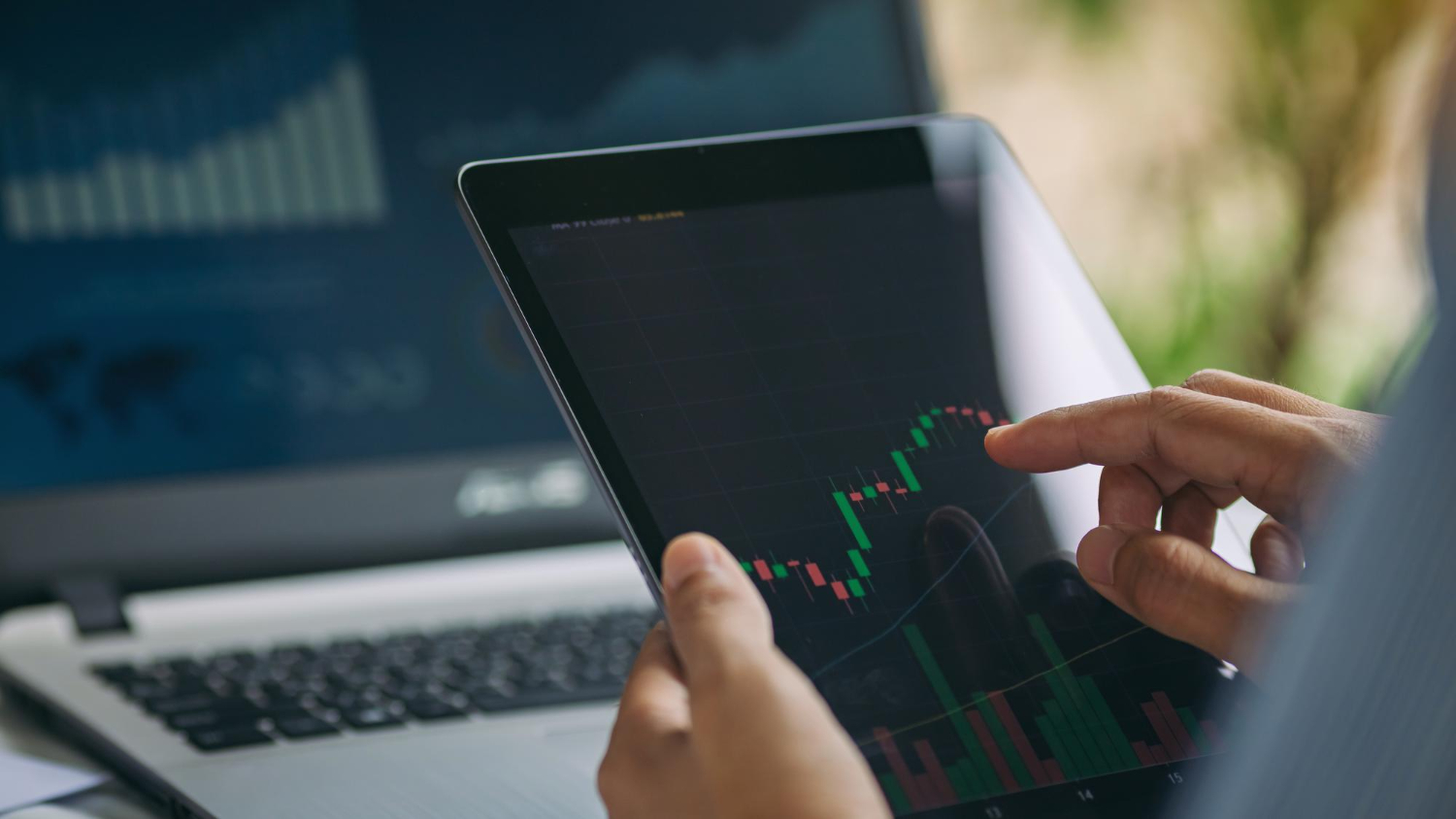

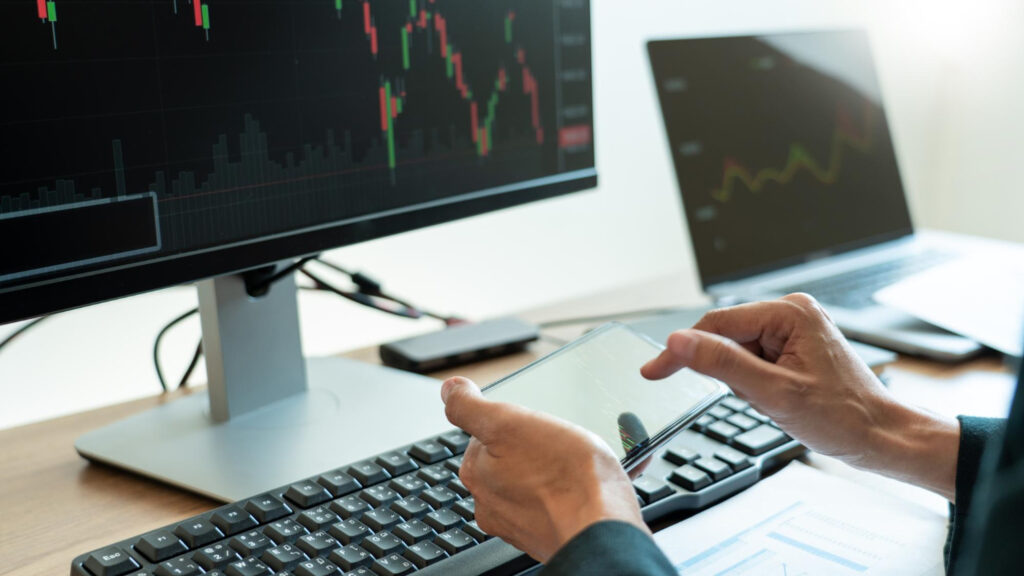
The rapid evolution of technology is transforming the landscape of Forex trading, particularly in the Philippines, where economic growth and digital innovation intersect. As the Forex market burgeons, understanding its significance and the role of emerging technologies becomes essential for both traders and investors. This exploration delves into technological advancements, from high-frequency trading to mobile applications and blockchain, while examining the regulatory framework shaping this dynamic environment. Discover how these elements are paving the way for the future of Forex trading in the Philippines.
Overview of Forex Market
The Forex market is the largest and most liquid financial market in the world, with an average daily turnover exceeding $6 trillion, underscoring its vital role in global trade and finance.
Operating continuously for 24 hours a day, five days a week, the Forex market provides traders with the opportunity to engage in currency transactions at nearly any time. This market initiates in Wellington, New Zealand, and subsequently transitions across major financial centers, including Sydney, Tokyo, London, and New York.
Key currency pairs, such as EUR/USD, USD/JPY, and GBP/USD, dominate trading volumes, appealing to both novice and professional traders.
By gaining an understanding of these dynamics and selecting optimal trading times, participants can effectively capitalize on market movements and enhance their trading strategies.
Importance of Forex Trading for the Economy
Forex trading plays a significant role in contributing to the Philippine economy by enhancing market liquidity and providing various investment opportunities, thereby fostering economic growth through capital inflow.
As foreign investments increase, the Philippine peso tends to appreciate, which subsequently impacts inflation rates and the costs of imports.
To leverage Forex trading effectively, investors may utilize platforms such as MetaTrader 4, which offer real-time analytics and facilitate trend tracking. A thorough understanding of economic indicators, including the GDP growth rate and foreign direct investment inflows, can yield valuable insights into currency fluctuations.
By remaining informed through reputable resources such as Bloomberg and trading forums, traders can more accurately anticipate market shifts and make well-informed investment decisions.
Technological Advancements in Forex Trading
Recent technological innovations, such as algorithmic and high-frequency trading, have significantly transformed the Forex trading landscape.
These advancements enable traders to execute orders with unparalleled speed and precision.
High-Frequency Trading
High-Frequency Trading (HFT) employs sophisticated algorithms to analyze multiple markets, facilitating trade execution within milliseconds and enhancing overall market efficiency.
The key technological components essential for HFT encompass low-latency networks, FPGA or GPU processing, and advanced trading platforms such as MetaTrader 5, which may incur costs exceeding $1,000 annually for professional features.
By leveraging these technologies, traders can effectively implement strategies such as market making or arbitrage. For example, a market maker can enhance liquidity by simultaneously placing buy and sell orders, thereby profiting from the bid-ask spread.
Performance metrics indicate that HFT can represent over 50% of daily trading volumes, underscoring its substantial influence on market dynamics.
Algorithmic Trading
Algorithmic trading utilizes computer algorithms to automate trade execution based on pre-defined criteria, fundamentally transforming the approach traders take in the Forex market.
To develop a basic trading algorithm, one should begin by selecting a platform such as AlgoTrader, which provides extensive backtesting capabilities and has an annual subscription starting at $1,800.
The next step involves defining a trading strategy, which may include indicators such as moving averages or momentum thresholds.
Once the strategy is established, the algorithm can be programmed using Python or the specific scripting language of the chosen platform.
It is essential to implement risk management metrics, such as maximum drawdown or stop-loss levels, to improve overall performance.
Finally, the algorithm should be tested under various market conditions to assess its effectiveness prior to being deployed in a live trading environment.
The Rise of Mobile Trading Applications
The emergence of mobile trading applications has democratized access to the Forex market, enabling traders in the Philippines to execute trades from any location and at any time.
Accessibility and Convenience
Mobile trading applications such as MetaTrader 4 (available at no cost) and TradingView (starting at $14.95 per month) offer traders convenient access to real-time data and execution capabilities, thereby enhancing their overall trading experience.
These applications are designed with user-friendly interfaces, facilitating navigation for both novice and experienced traders. Security remains a paramount concern; for instance, TradingView utilizes advanced encryption protocols, while MetaTrader 4 incorporates two-factor authentication to safeguard user information.
Both applications provide a wide array of trading tools, including technical indicators and charting features, which enable users to conduct thorough market trend analysis. Notably, research indicates that mobile access has led to an increase in trading volume by as much as 50%, allowing traders to capitalize on opportunities at any time and from any location.
Impact on Retail Traders
The rise of mobile trading has significantly give the power toed retail traders, as demonstrated by a 150% increase in trading accounts opened through mobile platforms in the past year. This shift has transformed trader behavior and education, fostering a more engaged community.
Mobile platforms such as Robinhood and eToro enable users to execute trades instantly and share strategies with peers.
These applications frequently incorporate social trading features, allowing traders to follow and replicate the trades of experienced users, thereby facilitating experiential learning. Additionally, many platforms provide educational resources, including webinars and tutorials, which assist newcomers in developing their skills.
Consequently, traders are able to actively participate in discussions and market analyses, contributing to a dynamic trading ecosystem.
Blockchain Technology and Forex
Blockchain technology is significantly transforming Forex trading by implementing decentralized systems that improve security and transparency.
This advancement is particularly appealing to technologically adept traders in the Philippines.
Decentralization and Security
Implementing blockchain technology in Forex trading can significantly reduce transaction times to mere seconds and decrease costs by approximately 30%, thereby providing traders with enhanced security protocols.
Blockchain technology enhances security within Forex trading by utilizing distributed ledger technology, which effectively minimizes the risk of fraud. For instance, decentralized exchanges such as Uniswap eliminate the single points of failure that are often present in centralized platforms, such as Binance.
Users are give the power toed to trade directly from their wallets without the need for third-party custodians, thereby reducing their vulnerability to hacking incidents.
Additionally, this approach promotes transparency, as all transactions are publicly recorded on the blockchain, facilitating real-time auditing.
Traders who wish to leverage these advantages should consider utilizing platforms that offer blockchain integration, which not only streamlines transactions but also reinforces user trust.
Regulatory Framework for Technology in Forex
A comprehensive regulatory framework is essential to uphold the integrity of Forex trading in the Philippines, especially in light of the rapid technological advancements occurring within the industry.
Government Policies and Support
The Philippine government has enacted supportive policies designed to enhance financial literacy and protect traders, including initiatives facilitated by the Securities and Exchange Commission (SEC).
One notable initiative is the establishment of the Investment Scam Prevention Task Force, which seeks to safeguard traders from fraudulent schemes.
Additionally, the SEC has launched educational programs that offer training in risk management and trading strategies.
Recent policy adjustments have also included the relaxation of specific requirements for Forex brokers, thereby increasing market access for new traders. These efforts not only enhance trading safety but also cultivate a more informed trading community, ultimately contributing to the strengthening of the country’s Forex market.
The Future of Forex Trading in the Philippines
The future of trading Forex in the Philippines appears promising, propelled by advancements in technology, regulatory support, and a growing number of retail traders entering the market.
Predictions and Trends
Experts project a 30% increase in Forex trading volume in the Philippines within the next three years, driven by innovations in financial technology and a growing base of retail traders.
Key trends influencing this development include the rise of algorithmic trading, facilitated by platforms such as MetaTrader 5, which offer automated strategies suitable for both novice and experienced traders.
Moreover, digital wallets like GCash and PayMaya are significantly enhancing market access by streamlining transaction processes.
Fintech startups such as eToro are transforming the landscape of social trading, enabling users to replicate the strategies of successful traders.
These advancements not only appeal to younger demographics but also democratize Forex trading, rendering it more accessible and attractive to a diverse audience.
Frequently Asked Questions
What is the role of technology in shaping the future of trading Forex in the Philippines?
Technology plays a critical role in shaping the future of trading Forex in the Philippines by providing access to real-time market data, advanced trading tools, and efficient execution platforms.
How has technology changed the landscape of Forex trading in the Philippines?
Technology has made Forex trading more accessible to a wider audience in the Philippines, allowing for faster and more efficient transactions, as well as providing opportunities for trading on the go with mobile apps.
What are the benefits of using technology in Forex trading in the Philippines?
The benefits of using technology in Forex trading in the Philippines include increased speed and efficiency, access to global markets, lower transaction costs, and the ability to analyze and make informed trading decisions using advanced tools and indicators.
Are there any risks associated with using technology in Forex trading in the Philippines?
While technology has greatly improved the Forex trading experience, there are risks involved such as technical issues, cyber threats, and over-reliance on automated trading systems. It is important for traders to understand these risks and take necessary precautions.
What are some examples of technology being used in Forex trading in the Philippines?
Some examples of technology being used in Forex trading in the Philippines include online trading platforms, mobile trading apps, automated trading systems, and advanced charting and analysis tools.
How can traders in the Philippines stay updated on the latest technology advancements in Forex trading?
Traders in the Philippines can stay updated on the latest technology advancements in Forex trading by following industry news and updates, attending webinars and conferences, and regularly researching and testing new tools and platforms.