
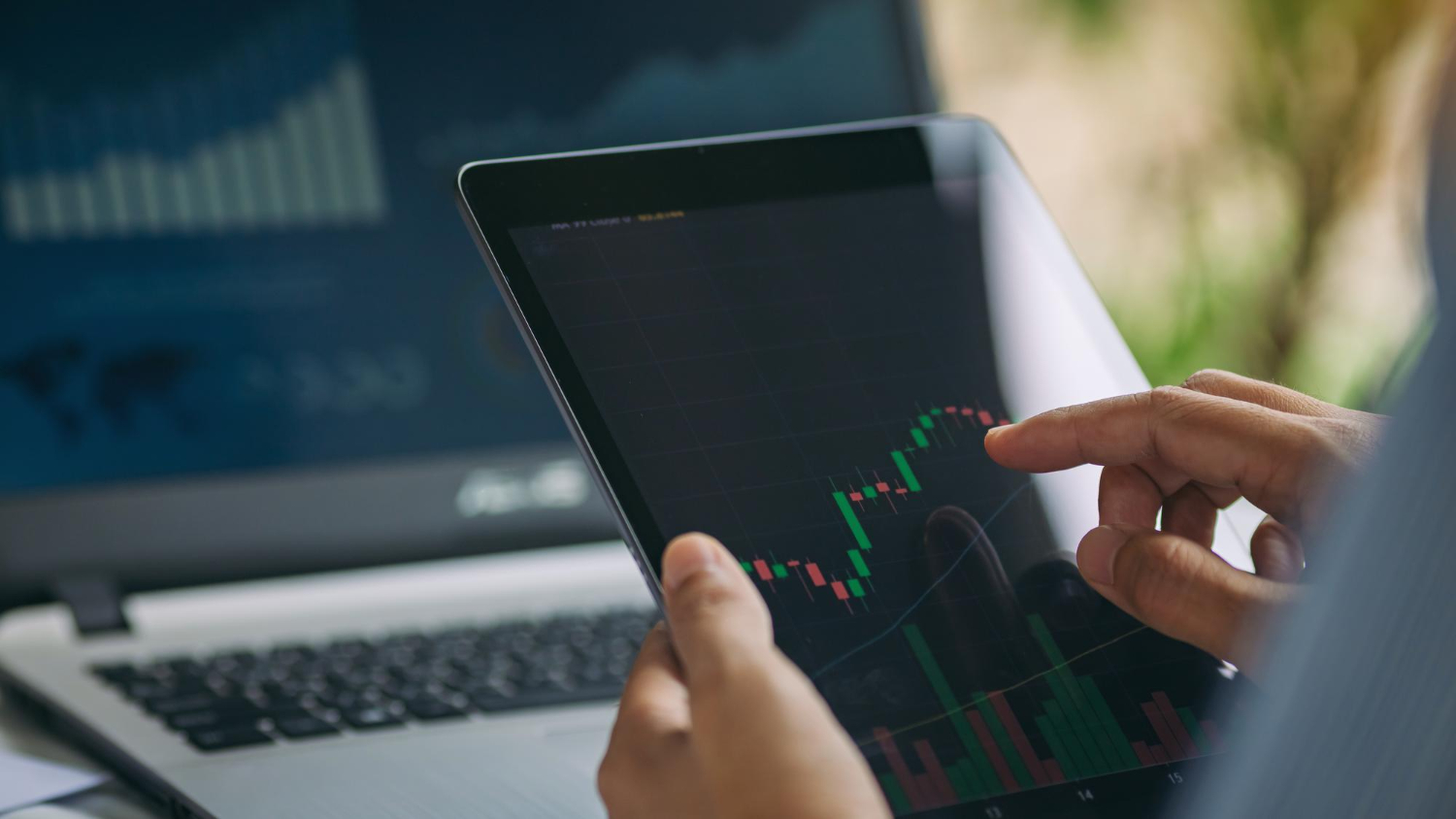
Malaysia’s trading websites have surged from niche tools to everyday essentials, fueled by skyrocketing retail participation. With Bursa Malaysia at the helm and rising internet penetration, this boom reshapes personal finance. Discover the historical evolution, key growth drivers like smartphone adoption, popular platforms, regulatory safeguards from the Securities Commission Malaysia, compelling trends, and bold future outlook-what’s next for savvy investors?
Historical Development
Malaysia’s trading evolution spans from manual trading floors in the 1960s to today’s mobile platforms serving retail investors. This shift moved from physical trading to digital platforms, driven by technology and market demands.
In the early days, traders relied on share certificates and face-to-face deals at the Kuala Lumpur Stock Exchange. The 1990s brought computers, paving the way for online brokerages and real-time access to Bursa Malaysia.
By the 2000s, broadband internet enabled web-based trading, with platforms like HLeBroking leading the charge. This set the stage for modern tools such as trading apps and algorithmic systems used by beginner traders and professionals alike.
Today, online trading platforms integrate features like technical analysis charts and mobile trading, reflecting Malaysia’s digital economy growth. Investors now access FTSE Bursa Malaysia KLCI data instantly for informed decisions on stocks and Forex.
Pre-Digital Era
Before 1990s computers, Bursa Malaysia (formerly KLSE) operated manual trading floors where brokers shouted orders for blue-chip stocks like Maybank and Public Bank. Founded in 1964, KLSE handled the first IPO, Malayan Banking, in 1965.
Trading involved physical share certificates and a T+3 settlement process that took three days. Brokers matched buy and sell orders by hand, limiting speed and volume in the financial markets.
The 1980s introduced scripless trading, reducing paperwork for demat accounts. Yet, events like the 1987 Black Monday crash exposed vulnerabilities, as the KLCI dropped sharply in days due to manual delays.
Household PC adoption in the 1990s, around 15% penetration, triggered the transition. This era built foundations for stock trading discipline, teaching risk management through real-world volatility lessons for future online brokers.
Early Online Platforms (2000s)
2001 marked Malaysia’s online trading birth with HLeBroking launching real-time Bursa access, growing from initial users to wider adoption by 2005. This platform offered web-based trading for retail investors seeking share trading convenience.
Followed by Maybank Trade in 2003 and CIMB Clicks in 2005, these tools shifted from dial-up 56kbps to broadband speeds. Users gained access to trading charts, market news, and economic indicators like ringgit fluctuations.
Account growth reflected rising interest, with challenges during the 2008 crisis causing platform crashes amid KLCI volatility. First mobile trading emerged in 2007 via Java apps, introducing beginner traders to on-the-go portfolio management.
These platforms emphasized regulatory compliance under Securities Commission Malaysia, featuring KYC verification and licensed brokers. Traders learned technical analysis with tools like moving averages, setting habits for day trading and swing trading strategies.
Key Drivers of Growth
Four factors propelled Malaysia’s trading platforms from 500K users in 2015 to 2.1M accounts by 2023: connectivity, education, and fintech innovation. These drivers transformed retail participation in stock trading and Forex trading. Investors now access Bursa Malaysia easily through mobile apps.
Internet penetration and smartphones made real-time trading possible for beginners. Financial literacy programs equipped retail investors with knowledge on risk management and portfolio management. Fintech tools like robo-advisors simplified entry into online trading platforms.
During the pandemic, trading volume surged as work-from-home setups encouraged day trading and swing trading. Licensed brokers such as RHB Tradesmart and Maybank Trade saw higher sign-ups. This shift boosted demat accounts and engagement with FTSE Bursa Malaysia KLCI.
Education initiatives from Securities Commission Malaysia (SC) promoted Shariah-compliant investments and halal trading. Users benefit from trading charts, technical analysis, and market news on apps. Overall, these elements fuel the e-trading revolution in Malaysia’s digital economy.
Internet Penetration and Smartphone Adoption
Malaysia’s internet penetration jumped from 67% (2015) to 97.4% (2023), with 80% smartphone ownership enabling mobile trading apps like RHB Tradesmart. This growth supports web-based trading and real-time trading for stock trading and commodity trading. Traders access trading signals and stock screeners on the go.
| Year | Internet % | Smartphones | Trading Apps |
| 2015 | 67% | 45% | 5 major |
| 2020 | 89% | 65% | 15 major |
| 2023 | 97.4% | 80% | 40+ platforms |
COVID-19 drove trading volume up 250% per Bursa data, as work-from-home traders explored cryptocurrency exchanges and ETFs. The 5G rollout in 2022 cut latency to 10ms, aiding high-frequency trading (HFT) and algorithmic trading. Beginners use demo accounts to practice without risk.
Smartphone apps from licensed brokers like CIMB Securities offer user interfaces with candlestick patterns and RSI indicators. Gen Z investors favor these for fractional shares and zero-commission trading. High smartphone penetration integrates deposit methods like e-wallets for quick trading accounts.
Financial Literacy Initiatives
SC Malaysia’s ‘Money Week’ reached 1.2M citizens in 2018, boosting demat accounts from 1M to 2.1M with free Bursa Academy courses. These efforts teach fundamental analysis and asset allocation for online brokers. Retail investors learn to spot IPOs and dividends.
- Bursa Anywhere app with 500K downloads offers trading tutorials and webinars.
- AKPK financial clinics engaged 2M attendees on risk management and leverage trading.
- SC iMoney portal serves 3M users with market trends and economic indicators.
Gen Z participation in the 18-25 age group rose 300%, drawn to social trading and copy trading. The ‘Bumiputera Investor Programme’ created 100K new accounts from 2020-2023, focusing on Islamic finance. Participants use TradingView for moving averages and MACD.
Initiatives promote diversification across bonds trading, futures contracts, and ESG investing. Beginner traders access customer support and scam alerts. This builds confidence in trading communities like Telegram groups for millennial traders.
Popular Trading Platforms
Malaysia hosts 42 SC-licensed platforms; top 8 control 85% market share with HKL futures, Bursa equities, and Forex trading. These online trading platforms dominate due to their regulatory compliance and user-friendly features. Traders access real-time trading via mobile apps and web-based interfaces.
Bursa Malaysia leads local share trading, while international brokers expand into Forex trading and cryptocurrency exchanges. Beginners favor investment apps with demo accounts for practice. Active traders seek low commission rates and advanced trading charts.
Key factors include trading fees, leverage trading options, and security features like two-factor authentication. Platforms offer tools for technical analysis, such as moving averages and RSI indicators. Diversification across stocks, ETFs, and commodities helps manage risk.
Local offerings suit Bursa Malaysia equities and FTSE Bursa Malaysia KLCI tracking. International sites provide global access, including ASEAN markets and Hong Kong Stock Exchange. Choose based on your strategy, from day trading to long-term portfolio management.
Local Exchanges (Bursa Malaysia)
Bursa Malaysia’s 5 main brokers-HLeBroking, Maybank Trade, CIMB, RHB Tradesmart, Public Bank-offer 0.08-0.15% commissions on RM1B+ daily KLCI volume. These licensed brokers ensure regulatory compliance under Securities Commission Malaysia. They support demat accounts for seamless share trading.
For day trading, pick platforms with fast execution and mobile trading. Beginners benefit from intuitive interfaces and trading education via webinars. Research tools aid fundamental analysis of earnings reports and dividends.
| Broker | Commission | Min Fee | Platforms | Best For |
| HLeBroking | 0.08% | RM8 | i3investor | Day trading |
| Maybank Trade | 0.12% | RM12 | M2U | Beginners |
| RHB Tradesmart | 0.10% | RM10 | Mobile | Active traders |
| CIMB | 0.15% | RM15 | Clicks | Research tools |
Use stock screeners on these platforms to spot high-growth stocks or blue-chip names. Set stop-loss orders for risk management in volatile markets. Customer support and deposit methods like bank transfers suit retail investors.
International Brokers
Interactive Brokers and Saxo Bank serve 25K Malaysian clients with global access to 135 markets beyond Bursa Malaysia restrictions. These international brokers support MYR accounts and leverage trading. They cater to Forex trading, CFDs, and commodity trading.
Pros include 24hr trading and advanced platforms like MetaTrader for algorithmic trading. Cons involve complex UIs, so start with demo accounts. MYR support simplifies deposits and withdrawals for ringgit users.
| Broker | MYR Support | Leverage | Assets | Min Deposit |
| Interactive Brokers | Yes | 1:50 | 135 markets | $10K |
| Saxo Bank | Yes | 1:30 | Forex/Stocks | $2K |
| IG Trading | Yes | 1:200 | CFDs/Forex | $250 |
| Plus500 | Yes | 1:30 | Crypto/CFD | $100 |
Explore TradingView integration for candlestick patterns and MACD analysis. Copy trading features let beginners follow pros. Ensure KYC verification for security and anti-money laundering compliance.
Regulatory Framework
SC Malaysia licenses 42 Capital Market Service Licensees under Capital Markets & Services Act 2007, protecting RM2.5T market capitalization. The Securities Commission Malaysia (SC) oversees trading website operations, online trading platforms, and brokerages to ensure fair practices in stock trading and Forex trading. This framework supports Bursa Malaysia’s growth while safeguarding retail investors.
Licensed brokers must follow strict rules for regulatory compliance, including KYC verification and anti-money laundering measures. Traders using investment apps or mobile trading platforms benefit from real-time trading monitored by SC. Examples include HLeBroking and Maybank Trade, which maintain demat accounts securely.
SC promotes financial literacy through guidelines on risk management and leverage trading. Investors should verify platforms against SC’s list of approved entities before opening trading accounts. This protects against fraudulent platforms in the fintech boom.
Recent enforcement highlights SC’s role in the e-trading revolution. Platforms must offer security features like two-factor authentication and fund segregation. Retail investors engaging in share trading or commodity trading rely on this oversight for confidence.
Securities Commission Malaysia Role
SC Malaysia rejected 15 bogus brokers in 2023 and fined 8 platforms RM12M for AML violations using Capital Market Surveillance System. This demonstrates SC’s commitment to investor protection in Malaysia’s financial markets. Surveillance covers real-time KLCI monitoring on Bursa Malaysia.
Key functions include licensing 42 CMSL holders, ensuring only approved brokerages offer web-based trading or cryptocurrency exchanges. SC enforces AML/KYC rules, blacklisting non-compliant entities. Traders should check for CMSL status before using any online broker.
- Licensing: Approves platforms like CIMB Securities for stock trading and Forex trading.
- Surveillance: Monitors trading volume and volatility via advanced systems.
- Investor protection: Maintains a compensation fund for affected users.
- AML/KYC enforcement: Requires identity checks and transaction reporting.
SC closed Genneva Sdn Bhd, a RM1.6B scam, showing action against Ponzi schemes. Platforms must implement 2FA mandatory and 24-hour fund segregation. Beginners using demo accounts or paper trading learn compliance early.
Market Trends and Statistics
Bursa Malaysia retail participation hit 2.1M accounts (28% of population) in 2023 with daily turnover RM2.8B, led by Gen Z day traders. This surge reflects the e-trading revolution driven by investment apps and online trading platforms. Retail investors now access real-time trading via mobile apps with ease.
The table below shows key metrics for trading websites in Malaysia from 2019 to 2023. Growth in retail accounts and turnover highlights the fintech boom. Foreign participation has also risen, boosting market liquidity.
| Metric | 2019 | 2023 | Growth |
| Retail Accounts | 1.1M | 2.1M | +91% |
| Daily Turnover | RM1.8B | RM2.8B | +55% |
| Foreign Retail | 8% | 15% | +87% |
| Gen Z Traders | 5% | 22% | +340% |
Emerging market trends include zero-commission trading from platforms like Moomoo, fractional shares for beginner traders, and ESG funds with strong AUM growth. These features attract millennial traders seeking diversification. Traders use stock screeners and trading charts for better decisions.
Practical advice for users: Start with demo accounts on licensed brokers to practice risk management. Monitor FTSE Bursa Malaysia KLCI for bull market signals. Combine technical analysis with market news for swing trading success.
Future Outlook
Malaysia’s trading platforms will reach 3M users by 2027 with AI robo-advisors, 5G HFT, and Shariah-compliant ESG products dominating growth. The Securities Commission Malaysia forecasts this surge in trading accounts. Retail investors will drive much of this expansion through mobile trading apps and user-friendly interfaces.
AI trading bots will transform platforms like StashAway, scaling assets under management significantly. These robo-advisors use machine learning for portfolio management and risk assessment. Traders can expect automated strategies for stock trading and Forex trading.
Tokenized assets via Bursa Malaysia’s 2025 pilot will open real-time trading of digital securities. Combined with 5G networks offering 1ms latency, this enables high-frequency and algorithmic trading. Investors gain access to fractional shares and faster execution on web-based trading platforms.
- Halal crypto ETFs for Shariah-compliant cryptocurrency exchanges.
- ASEAN market access through integrated brokerages.
- Opportunities in ESG investing and green bonds.
Risks include cyber attacks, with multiple platform breaches noted recently. Strong security features like two-factor authentication and encryption remain essential. Traders should prioritize licensed brokers for regulatory compliance.
Key Predictions
Experts predict 3M trading accounts by 2027, fueled by the fintech boom. Platforms will integrate AI-driven trading for personalized advice. This shift benefits beginner traders with demo accounts and tutorials.
StashAway’s growth highlights robo-advisors in action, managing diverse assets. Bursa Malaysia’s tokenized asset pilot starts in 2025, enhancing liquidity for commodities and shares. 5G latency at 1ms supports algo trading on MetaTrader and TradingView.
Practical steps include testing paper trading features. Use trading charts with RSI and MACD for analysis. Monitor economic indicators like ringgit fluctuations for informed decisions.
Opportunities Ahead
Halal crypto ETFs align with Islamic finance demands. These Shariah-compliant products expand investment apps for retail investors. Pair them with diversification across ETFs and blue-chip stocks.
ASEAN market access via brokerages like RHB Tradesmart opens Singapore Exchange trades. This boosts portfolio management with regional exposure. Gen Z investors can explore fractional shares for high-growth stocks.
Actionable advice: Review trading fees and commission rates. Attend webinars on halal trading. Build strategies around dividends and capital gains.
Potential Risks
Cyber attacks pose threats, as seen in recent platform breaches. Protect demat accounts with KYC verification and anti-money laundering checks. Choose brokers with robust customer support.
Volatility in financial markets requires risk management tools like stop-loss orders. Watch for fraudulent platforms amid the trading rise. Stick to trusted names like Maybank Trade or CIMB Securities.
Mitigate risks by using social trading cautiously. Enable encryption on mobile apps. Stay updated via market news and forums for scam alerts.
Frequently Asked Questions
What is ‘The Rise of Trading Websites in Malaysia’ and why is it happening?
The Rise of Trading Websites in Malaysia refers to the rapid growth in popularity and usage of online platforms for trading stocks, Forex, cryptocurrencies, and other assets. This surge is driven by increased internet penetration, smartphone adoption, financial literacy programs, and regulatory improvements by the Securities Commission Malaysia, making trading more accessible to retail investors.
How has technology contributed to ‘The Rise of Trading Websites in Malaysia’?
Technology has been pivotal in ‘The Rise of Trading Websites in Malaysia’ through mobile apps, real-time data analytics, AI-driven trading tools, and user-friendly interfaces. Platforms like Bursa Anywhere and international brokers have lowered entry barriers, enabling Malaysians to trade anytime, anywhere with minimal fees.
What are the popular trading websites fueling ‘The Rise of Trading Websites in Malaysia’?
Key players in ‘The Rise of Trading Websites in Malaysia’ include local platforms like Rakuten Trade, Maybank Trade, and HLeBroking, alongside global ones such as Interactive Brokers and eToro. These sites offer diverse assets, low commissions, and educational resources, attracting a new generation of traders.
What regulatory changes support ‘The Rise of Trading Websites in Malaysia’?
‘The Rise of Trading Websites in Malaysia’ is supported by the Securities Commission Malaysia’s (SC) guidelines, including digital onboarding, enhanced cybersecurity standards, and the recognition of digital assets. These measures ensure investor protection while promoting innovation in online trading.
What challenges accompany ‘The Rise of Trading Websites in Malaysia’?
Despite ‘The Rise of Trading Websites in Malaysia’, challenges include market volatility, scam risks from unregulated platforms, and the need for better investor education. Authorities advise using SC-licensed sites and practicing risk management to mitigate these issues.
What is the future outlook for ‘The Rise of Trading Websites in Malaysia’?
The future of ‘The Rise of Trading Websites in Malaysia’ looks promising with ongoing fintech advancements, potential tax incentives, and integration of blockchain for faster settlements. This growth is expected to democratize wealth creation, provided users stay informed and cautious.


